
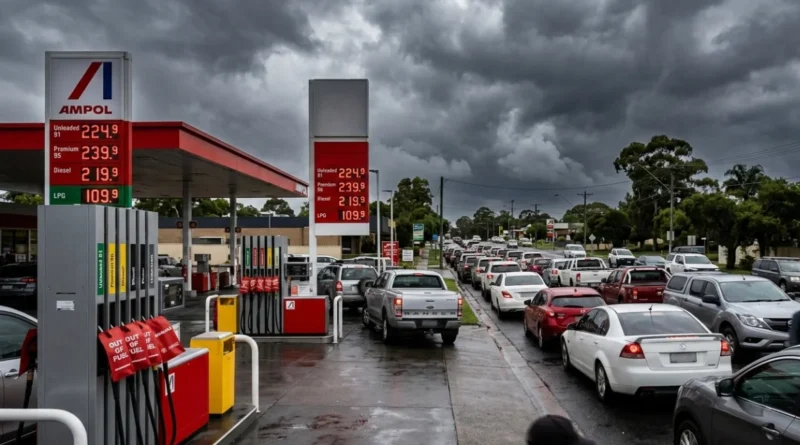
Australian fuel shortage Triggers Panic at Regional Petrol Stations
Australia is facing growing concerns over a potential fuel supply crisis as several petrol stations across regional areas begin running dry. Reports from multiple states indicate that independent service stations are struggling to maintain petrol and diesel supplies, prompting warnings from industry experts and politicians about the stability of the nation’s fuel distribution network.
The emerging Australian fuel shortage has sparked anxiety among motorists, farmers, and logistics operators who rely heavily on consistent fuel availability. In several towns, drivers have reported long queues at service stations, while others say they arrived to find pumps empty.
Industry groups say the issue is not yet a nationwide shortage but warn that disruptions in the global energy market, combined with domestic supply chain vulnerabilities, could create serious challenges in the weeks ahead.
Global Oil Tensions Linked to Fuel Supply Disruptions
Energy analysts believe the latest supply concerns are partly tied to rising geopolitical tensions in the Middle East, particularly around Iran and regional oil transport routes. The conflict has already caused volatility in global crude oil markets, pushing prices upward and creating uncertainty for fuel importers.
Australia relies heavily on imported refined fuel products, meaning any disruptions in international shipping lanes or refinery production can quickly affect domestic supply.
Economists warn that if tensions persist, global oil prices could remain elevated for an extended period. This would likely translate into higher petrol prices at the pump for Australian consumers.
The ripple effects are already being felt across the country, with analysts noting that fuel price spikes typically follow international market instability within days or weeks.
Regional Communities Hit Hardest by Petrol Supply Crisis
While major metropolitan areas have largely avoided immediate shortages, regional communities appear to be bearing the brunt of the problem.
Independent petrol stations in rural towns are reporting difficulty securing deliveries from fuel distributors. These smaller operators often lack the large storage capacity and supply contracts enjoyed by major chains, leaving them more vulnerable during periods of disruption.
Drivers in some regional locations have reported visiting multiple service stations before finding one that still had petrol available. In other cases, stations have temporarily closed pumps after running out of fuel supplies.
Transport companies operating in rural areas have also warned that ongoing supply issues could disrupt freight movement and increase delivery costs for essential goods.
Farmers Warn Fuel Shortage Could Impact Food Production
Agricultural groups have raised concerns about the potential impact of the Australian fuel shortage on farming operations.
Fuel is essential for tractors, harvesters, irrigation systems, and transport vehicles used to move crops and livestock. Farmers say even short-term supply disruptions could impact productivity, particularly during busy agricultural periods.
Industry representatives warn that if fuel deliveries become unreliable, food production and supply chains could be affected. This may ultimately lead to higher prices for groceries and agricultural products across the country.
Some farming communities are already discussing contingency plans, including rationing fuel use or prioritizing essential agricultural activities.
Experts Predict Rising Petrol Prices Across Australia
Energy market specialists say rising global oil prices, combined with domestic supply concerns, are likely to push petrol prices higher in the coming weeks.
Several analysts have suggested that Australian drivers could see noticeable increases at the pump as fuel wholesalers adjust pricing to reflect international market conditions.
Higher transport costs may also contribute to inflationary pressure on goods and services. Businesses that depend on logistics — including supermarkets, delivery companies, and construction firms — could face rising operational expenses if fuel prices continue climbing.
Consumer advocacy groups are urging authorities to closely monitor pricing to ensure fair market practices during the period of volatility.
Government and Industry Respond to Fuel Supply Concerns
Authorities say the country’s fuel infrastructure includes multiple import terminals, storage facilities, and supply agreements that help stabilize distribution networks.
However, critics argue that Australia’s limited domestic refining capacity leaves the nation vulnerable to global supply shocks. Several political leaders have called for stronger fuel security policies and greater investment in energy infrastructure.
Industry representatives have also urged motorists to avoid panic buying, warning that unnecessary stockpiling could worsen temporary shortages at local petrol stations.
For now, experts say the situation remains manageable but requires careful monitoring as global energy markets continue to fluctuate.