Who Was ‘El Mencho’? The Impact of the Notorious Cartel Boss’s Death on Mexico
Backed by U.S. intelligence and operational support, Mexican security forces carried out a high-level raid that resulted in the death of one of the nation’s most wanted crime figures, Nemesio Oseguera Cervantes — widely known as “El Mencho.”
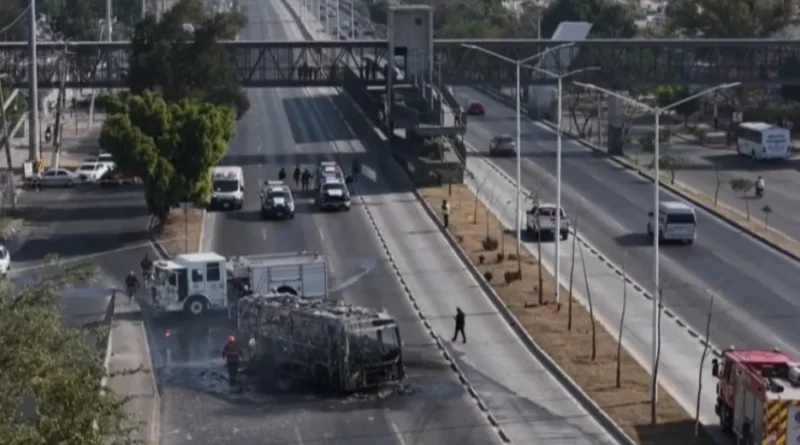
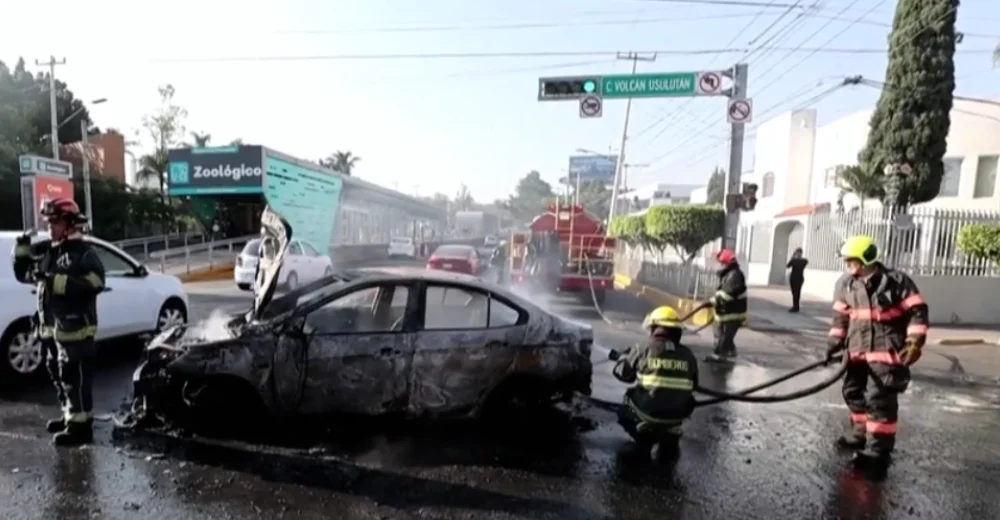
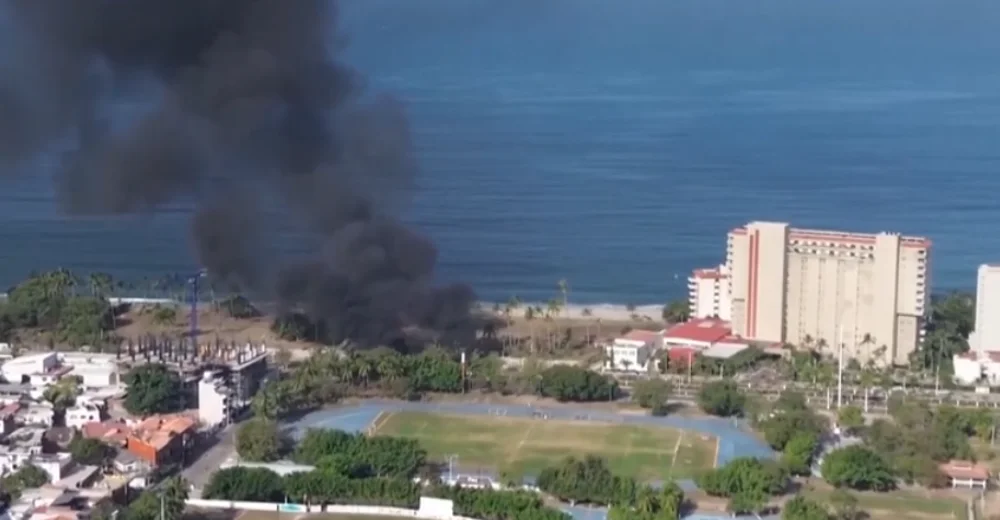
Within hours of the operation on Sunday, unrest spread across multiple regions of the country. Armed groups reportedly torched vehicles, blocked highways, and erected makeshift barricades in nearly 20 states, signaling an immediate and coordinated reaction.
Here’s an in-depth look at who “El Mencho” was, the circumstances surrounding the operation that led to his killing, and what the development could mean for both Mexico and the United States.
Who Was “El Mencho” and the Cartel Boss’s Death in Mexico?
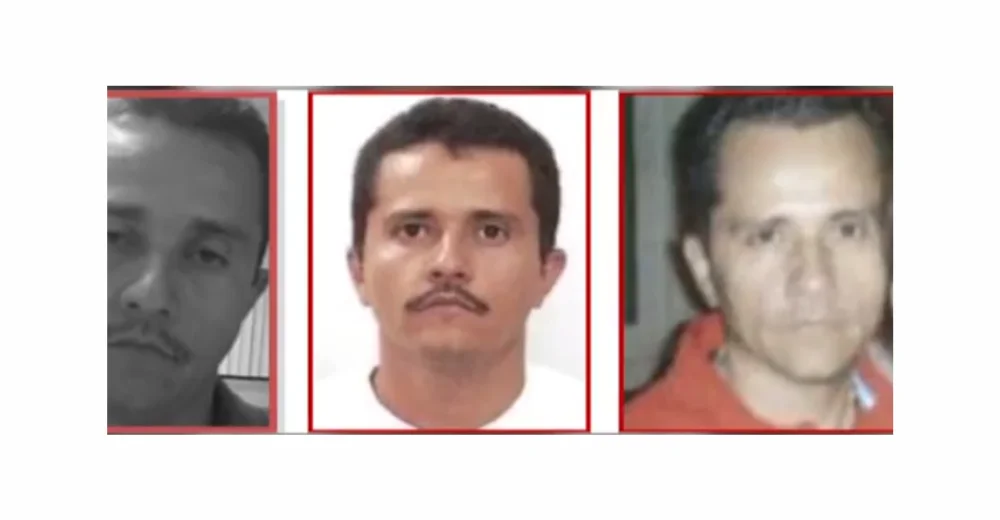
Nemesio Oseguera Cervantes — widely known as “El Mencho” — headed the Jalisco New Generation Cartel (CJNG), a powerful criminal group based in the western Mexican state of Jalisco and recognized for its heavily armed, military-style operations.
He was 59 at the time of his death and originally hailed from the neighboring state of Michoacán. Some reports have suggested that before entering the criminal world, he briefly served as a local police officer — a background that, if accurate, may have given him insight into law enforcement tactics.
El Mencho’s ascent within Mexico’s narcotics trade began in the 1990s. In 1994, he was convicted in the United States on heroin trafficking charges and spent nearly three years in prison before being deported to Mexico. After returning, he steadily rebuilt his influence, eventually emerging as one of the country’s most dominant cartel leaders.
Over the years, accounts of his intimidation tactics contributed to his reputation for brutality. According to a 2015 report by Rolling Stone, citing a former agent of the Drug Enforcement Administration (DEA), he allegedly sent a severed pig’s head to a Mexican lawyer as a warning.
In another reported incident, an intercepted phone call captured him threatening a police commander — identified by the call sign “Delta One” — vowing violence if officers did not withdraw, before ending the exchange with a casual apology for his language.
As his power expanded, El Mencho reportedly invested in sophisticated trafficking logistics. He was said to have financed the construction of semi-submersible vessels to move narcotics from South America toward the United States. The same Rolling Stone account claimed he enlisted foreign engineering expertise to refine these maritime smuggling methods.
His growing international footprint made him one of Washington’s top criminal targets. U.S. authorities offered a $15 million reward for information leading to his capture, underscoring his status as a high-priority fugitive.
Security analysts argue that his influence went beyond cartel leadership. Annette Idler, associate professor of global security at the University of Oxford, has noted that El Mencho played a pivotal role in transforming CJNG into a globally connected criminal enterprise — particularly in synthetic drug production such as fentanyl, linking supply chains between Mexico and China, as well as cocaine routes connecting Mexico with South American countries including Ecuador and Colombia.
What Do We Know About the Jalisco New Generation Cartel?
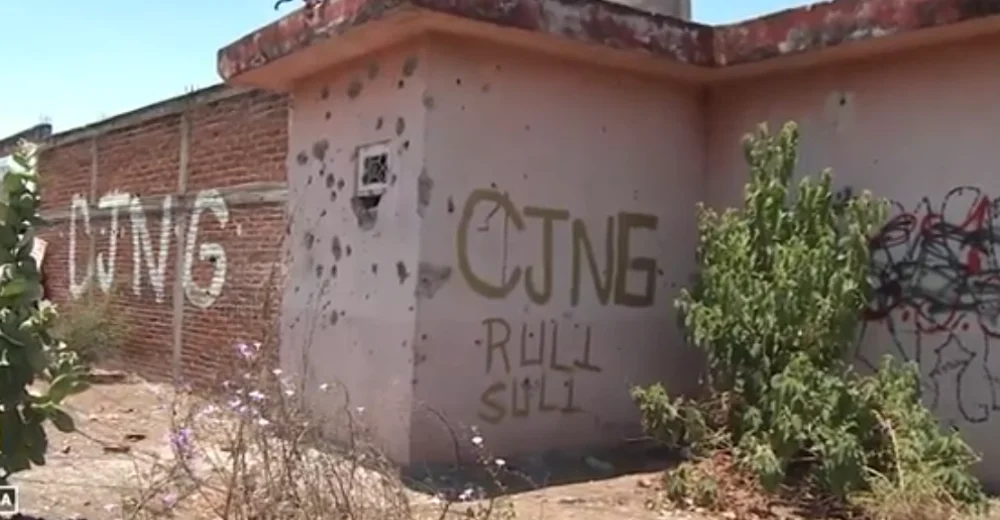
The Jalisco New Generation Cartel (CJNG) was founded in 2009 by Nemesio Oseguera Cervantes, also known as El Mencho, and quickly emerged as one of Mexico’s most formidable criminal organizations. From its base in western Mexico, the organization expanded aggressively, leveraging online recruitment strategies and broadening its revenue sources beyond narcotics.
Its operations have included fuel theft, extortion schemes, timeshare fraud, and other illicit enterprises designed to diversify cash flow and reduce dependency on a single trafficking stream.
U.S. authorities have repeatedly identified CJNG, alongside the Sinaloa Cartel, as a principal driver of fentanyl trafficking into the United States. According to the Drug Enforcement Administration (DEA), the Jalisco Cartel wields influence comparable to its Sinaloa rival, maintaining distribution networks across all 50 U.S. states. Within Mexico, officials report that the group operates in 21 of the country’s 32 states, underscoring its extensive territorial presence.
CJNG has also gained notoriety for its direct and often brazen attacks on state security forces. In 2015, cartel gunmen shot down a Mexican military helicopter in the state of Jalisco — a rare and dramatic escalation that signaled the group’s firepower and willingness to confront federal forces openly.
Its violent profile continued in 2020, when an assassination attempt targeted then–Mexico City police chief Omar García Harfuch, who currently serves as Mexico’s federal security secretary. The attack highlighted the cartel’s operational capacity even in heavily secured urban centers.
Pressure on the organization has also extended beyond Mexico’s borders. In February last year, Mexican authorities extradited Antonio Oseguera Cervantes — El Mencho’s brother and a senior CJNG figure — to the United States.
The move came shortly after Washington designated eight Latin American criminal groups as “global terrorist organizations,” a list that included the Jalisco Cartel, intensifying international scrutiny and legal consequences for its activities.
How El Mencho Was Killed by Mexican Forces
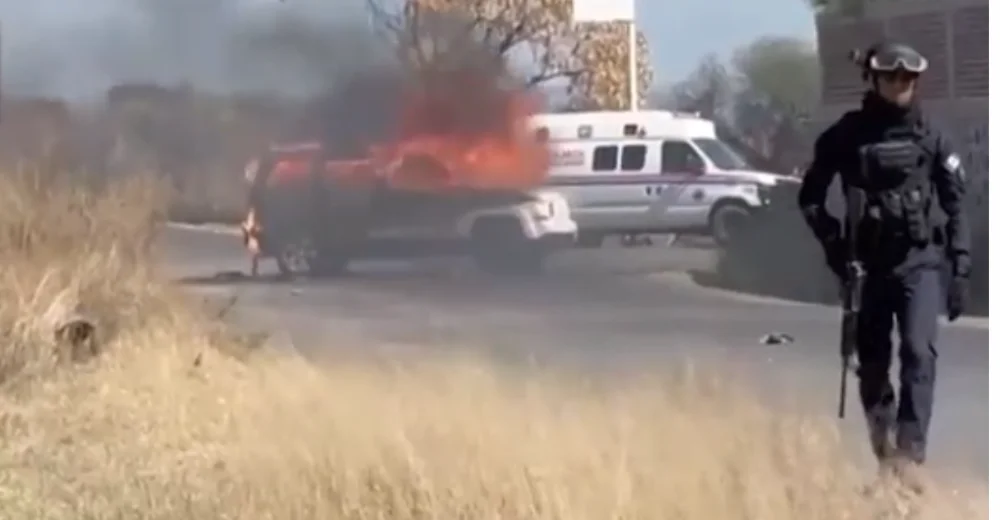
Nemesio Oseguera Cervantes, widely known as El Mencho, was killed during a targeted security operation carried out by Mexican special forces on Sunday. The raid took place in Tapalpa, a municipality in the southern region of Jalisco.
According to official accounts, troops were deployed to capture him. However, armed members of his security detail reportedly engaged federal forces in an attempt to prevent his arrest. During the ensuing confrontation, El Mencho was fatally shot.
Authorities described the operation as a coordinated military action aimed at dismantling high-level cartel leadership, with his death occurring amid active resistance from his armed followers.
What We Know About the Operation Against El Mencho
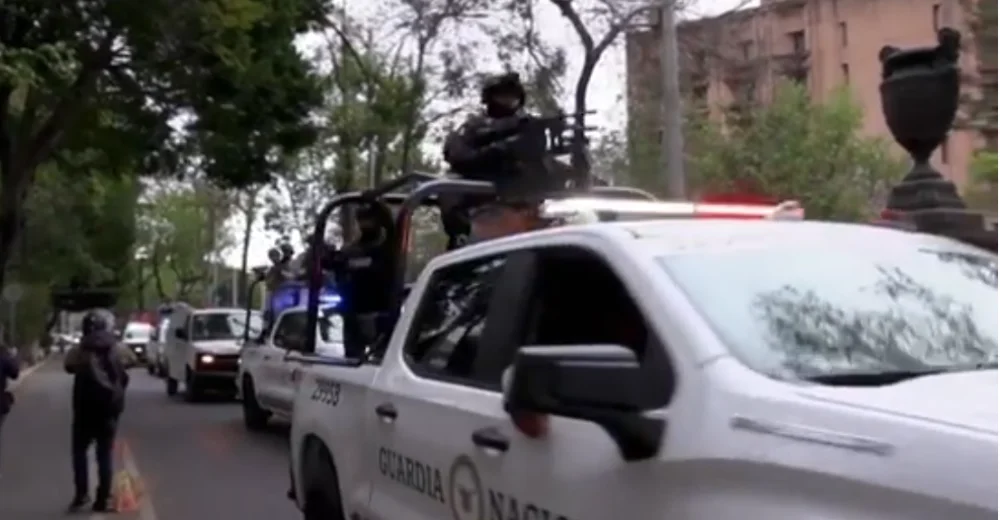
Mexican President Claudia Sheinbaum confirmed on X that the Secretariat of National Defence reported the mission had been executed by federal security forces.
“Many thanks to the Mexican Army, National Guard, Armed Forces, and Security Cabinet,” Sheinbaum wrote, acknowledging the coordinated effort.
From the U.S. side, White House press secretary Karoline Leavitt noted on X that Washington provided intelligence support to assist Mexican authorities in planning and executing the operation.
According to Leavitt, the raid resulted in three additional cartel members being killed, three being injured, and two being detained. The identities of those involved have not yet been officially disclosed by authorities.
How Significant Was US Involvement in the Operation Against El Mencho
Benjamin Smith, a professor of Latin American history at the University of Warwick in the United Kingdom, said that recent operations targeting high-level Mexican drug leaders have consistently included U.S. support. “This is not new,” he noted, emphasizing the long-standing cooperation in combating cartel activity.
Vanessa Rubio-Marquez, associate dean for extended education at the London School of Economics’s School of Public Policy, highlighted that U.S. involvement in the operation “underscores the importance of continuous and effective dialogue and collaboration between both nations.”
She explained that combating transnational criminal organizations requires joint efforts across multiple areas, including the import of precursors, drug production, trafficking, money laundering, arms flow, extortion, and corruption on both sides of the border.
Rubio-Marquez, who has represented Mexico in international forums such as the United Nations and the International Monetary Fund, stressed that coordinated action is essential not only to disrupt criminal networks but also to safeguard citizens.
What Has Happened in Mexico Since El Mencho’s Killing
Following the death of Nemesio Oseguera Cervantes, violence erupted across at least 20 Mexican states, including Jalisco, Colima, Michoacán, Nayarit, Guanajuato, and Tamaulipas.
Authorities in Jalisco, Michoacán, and Guanajuato reported at least 14 fatalities linked to the unrest, including seven members of the National Guard.
In the state capital, Guadalajara — scheduled to host multiple matches for this year’s FIFA World Cup — much of the city came to a standstill Sunday night as residents stayed indoors for safety. Four top-tier football matches planned for that day were postponed.
Social media footage showed panicked passengers running through Guadalajara International Airport and plumes of smoke rising over the resort city of Puerto Vallarta.
In response, Governor Pablo Lemus urged citizens to remain at home, suspended public transportation, and closed schools in several states on Monday.
The U.S. embassy in Mexico issued a security alert for American citizens in Jalisco, Tamaulipas, Michoacán, Guerrero, and Nuevo León, advising them to remain indoors and exercise caution.
How Have Mexicans Responded Since El Mencho’s Killing
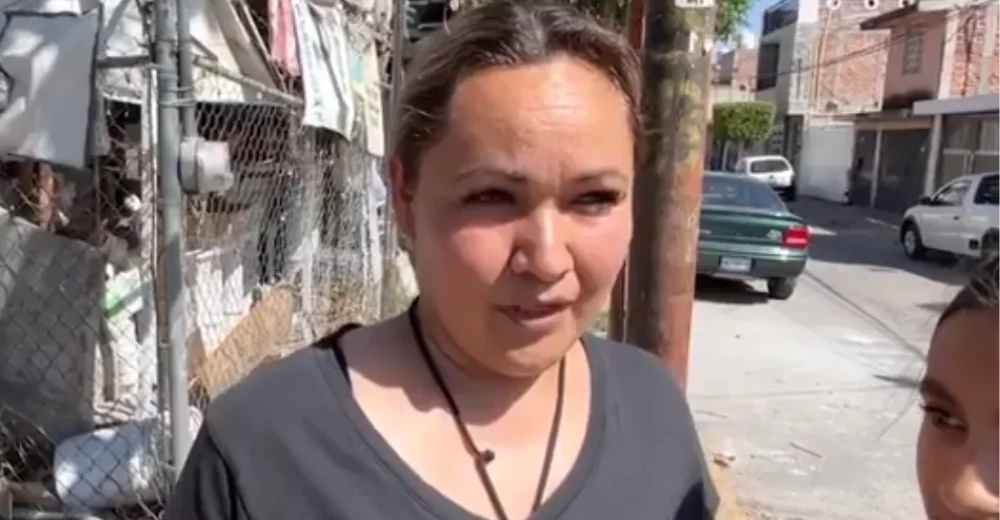
Analysts suggest that the majority of Mexicans broadly support the government’s efforts to tackle cartel activity.
Annette Idler, a global security expert, noted that while visible U.S. involvement could provoke some criticism or concerns about external influence — particularly regarding fentanyl control and trade politics — the successful removal of a major cartel leader bolsters the government’s security credentials.
“The domestic impact will largely depend on whether violence stabilizes or escalates in the aftermath,” she explained.
Official reports indicate that Mexico has seen a 37 percent decline in the daily average of killings since Claudia Sheinbaum took office in October 2024. Benjamin Smith, a Latin American history professor, added, “She’s extremely popular, and Mencho was broadly loathed.”
As of late January, Sheinbaum maintained an approval rating around 70 percent, according to the Americas Society and Council of the Americas, organizations based in New York that focus on cultural, political, and economic ties in the region. The rating has remained relatively stable since her election.
Vanessa Rubio-Marquez, associate dean at the London School of Economics, highlighted the shift in government policy. She contrasted the current approach with the previous administration under Andres Manuel Lopez Obrador, whose “hugs not bullets” strategy was widely criticized.
Rubio-Marquez described the recent operations as a clear pivot by the ruling Morena party, signaling a decisive approach that combines intelligence, intergovernmental coordination, and cooperation with U.S. authorities to confront organized crime effectively.
What Might Happen Next After El Mencho’s Killing
The operation that resulted in the death of Nemesio Oseguera Cervantes could strengthen Mexico’s position in discussions with the U.S. government, which, under former President Donald Trump, had warned of potential tariffs or even military measures if Mexico failed to curb cartel activity.
At the same time, experts caution that the raid may trigger a surge in violence, as rival cartels or loyalists could retaliate against security forces.
Benjamin Smith, a Latin American history professor, warned the operation might lead to “more public murders,” potentially reversing recent declines in homicides.
“Over the past year, the Mexican state managed to reduce killings, but I suspect this operation will disrupt that trend,” he said.
Annette Idler, a global security expert, noted that while El Mencho’s removal is significant, it is unlikely to immediately impact drug trafficking levels. “The underlying structure of the Jalisco Cartel’s global illicit supply chains remains intact.
We should not expect immediate reductions in narcotics flows or other illegal economic activities,” she explained.
The future of the Jalisco New Generation Cartel remains uncertain. El Mencho’s death has created a leadership vacuum, and it is unclear who will rise to fill his role.
Vanessa Rubio-Marquez, associate dean at the London School of Economics, emphasized that combating criminal organizations requires more than eliminating leaders.
“It demands a comprehensive approach, including preventive measures, dismantling cartel networks, controlling powerful arms, protecting citizens, and implementing policies for social inclusion, cohesion, and economic development,” she said.
In short, while El Mencho’s death is a landmark event, the long-term effects on cartel operations, public safety, and Mexico-U.S. relations will depend on how authorities manage the resulting instability and power struggles.